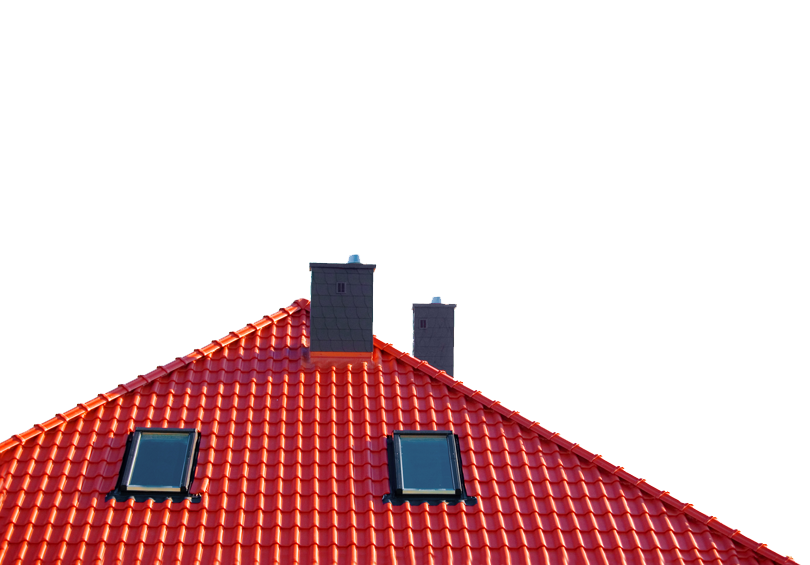

Painting roof tiles can restore a faded roof, protect suitable tiles from weather exposure, and refresh your home’s exterior without immediate roof replacement. The best results come from inspection, repairs, pressure cleaning, correct preparation, a compatible primer or sealer, and two uniform coats of specialist roof coating. This painting roof tiles guide explains the complete process, material choices, safety requirements, colour decisions, maintenance, and situations where roof painting should form part of a wider roof restoration.
Why Paint Roof Tiles?
Roof painting protects suitable tiles while improving appearance and maintenance performance. Concrete tiles become porous as surfaces weather, while old coatings can fade, peel, chalk, or lose adhesion. Moss and algae can retain moisture and contribute to surface deterioration. A compatible roof coating helps protect the prepared tile surface from ultraviolet exposure, rain, staining, and normal weathering.
Painting does not repair structural defects. Cracked tiles, loose tiles, failed bedding, damaged roof capping, and deteriorated pointing require repair before coating. A new coating can restore curb appeal, but roof painting should form part of planned roof maintenance rather than replace necessary repairs.
Can You Paint Every Roof Tile?
No, not every roof tile is suitable for the same coating system. Concrete, terracotta, slate, and previously coated tiles have different surface characteristics, so the coating manufacturer must approve the product for the specific substrate.
Concrete tile is commonly coated after thorough preparation because porous surfaces can accept suitable primers and roof membranes. Terracotta may require a different preparation and coating system, while slate needs specialist assessment because the surface and condition vary. Existing paint must receive particular attention because peeling or poorly bonded layers can cause a new coating to fail.
Read the technical data and application instructions for the selected product before work begins. A compatible primer, sealer, and topcoat system provides better adhesion than choosing products separately without checking compatibility.
How to Prepare Roof Tiles for Painting
Preparation determines whether roof paint bonds properly and remains durable. Preparation includes inspection, repairs, cleaning, drying, and surface stabilisation. Skipping one stage can create adhesion problems, uneven coverage, premature peeling, or concealed roof defects.
1. Inspect and Repair the Roof
Inspect every accessible roof area before cleaning or painting. Look for cracked, broken, loose, slipped, or severely deteriorated tiles, along with damaged ridge capping and failed mortar joints.
Replace damaged tiles with compatible units before coating. Check roof pointing where cap tiles meet the bedding and the mortar has deteriorated. Repoint suitable areas after removing loose material, while failed bedding may require removal and re-bedding of cap tiles. Repairing defects first prevents a fresh coating from covering problems that still need attention.
Roof condition matters more than surface colour. A roof with significant structural deterioration may need roof restoration instead of painting alone.
2. Clean the Roof Thoroughly
Clean roof tiles until dirt, biological growth, loose coating, and surface contamination are removed. Moss, algae, mould, dust, chalking paint, and debris can prevent primer and paint from forming a reliable bond.
A pressure cleaner can remove stubborn contamination, but excessive pressure can damage aged tiles or force water beneath tile overlaps. Direct cleaning downward along the roof pitch and avoid blasting upward under joins. Use a stiff brush for areas that require controlled agitation, and apply an appropriate treatment for persistent biological growth when the product instructions permit.
Remove loose paint during cleaning rather than sealing unstable layers under new coating. Allow the roof to dry completely before applying primer or paint.
3. Allow Complete Drying
The roof must be dry before primer or coating application. Moisture trapped in porous concrete tiles or beneath existing coatings can interfere with adhesion and drying.
Drying time depends on porosity and weather. Follow the selected coating manufacturer’s requirements for moisture and application conditions.
4. Apply Primer or Sealer
Use the primer or sealer specified for the roof substrate and selected topcoat. Porous concrete tiles can benefit from a suitable high-build or acrylic bonding sealer that binds loose surface material and creates a stable base.
Apply primer evenly with an approved roller, brush, or spray system, then allow curing for the manufacturer’s specified period. A primer coat cannot replace cleaning or repair; primer prepares a suitable surface for the coating system.
What Is the Best Way to Paint Roof Tiles?
The best way to paint roof tiles is to apply a compatible specialist roof coating in two even coats over a correctly prepared and primed surface. Use an airless sprayer, suitable roller, or quality roof brush according to the product instructions and roof configuration.
Start near the ridge and progress down the roof slope in manageable sections. Maintain an even application rate so the coating does not pool in tile profiles or leave thin areas on raised sections. Complete the first coat and allow full drying before applying the second coat.
Two coats usually provide more consistent coverage and protection than one heavy application. Never compensate for poor coverage by applying an excessively thick layer. Follow the product’s specified wet-film thickness, spreading rate, recoat time, and curing requirements.
Choosing the Right Roof Paint
Choose a roof coating formulated for the exact tile material and exterior exposure. Acrylic roof coatings are widely used on suitable tile substrates because formulated products can provide weather and ultraviolet resistance. Reflective roof coatings can reduce solar heat absorption where the product is designed for that purpose.
Avoid selecting ordinary exterior wall paint for roof tiles. Roof surfaces face repeated ultraviolet exposure, rain, temperature changes, dirt, and foot-traffic risks during maintenance. A specialist roof coating must remain compatible with the substrate and existing coating system.
How to Choose a Roof Tile Colour
Choose a roof colour that suits the exterior, architectural style, and local climate. Compare sample colours against wall finishes, gutters, fascias, and windows before committing to a full roof.
Light and reflective colours can reduce solar heat absorption compared with darker colours, although actual performance depends on the coating’s solar reflectance and the roof construction.
Consider the home’s architectural style and surrounding streetscape. A suitable colour should coordinate with existing exterior materials rather than create an unintended contrast. Check local planning requirements before changing the roof colour.
Should Gutters Be Replaced Before Roof Painting?
Yes, replace or repair defective gutters before final roof painting when gutter work requires tile movement or when existing gutters have reached the end of their service life. Gutter replacement can disturb tiles around hip ends and fascia areas, making the sequence important.
Roof cleaning can dislodge substantial dirt, moss, old coating, and debris. Completing major gutter work before final roof preparation can reduce the risk of damaging freshly restored surfaces and can simplify cleanup. Coordinate gutter replacement, tile repairs, roof pointing, cleaning, priming, and painting as one planned maintenance sequence.
Roof Painting Safety Requirements
Roof painting requires fall protection, stable access, suitable footwear, and weather conditions that allow safe movement and correct coating application. Wet tiles, wind, steep pitches, fragile tiles, and ladders without secure support create serious hazards.
Use appropriate fall-prevention equipment and follow Australian workplace safety requirements applicable to the work. Keep electrical equipment and spray systems away from unsafe conditions, protect nearby surfaces from overspray, and maintain controlled access around the work area.
Do not walk across newly coated tiles until the coating has cured according to manufacturer instructions.
When Should You Hire a Professional?
Hire a professional when the roof needs repairs, has difficult access, contains fragile tiles, requires extensive preparation, or presents a fall hazard. Professionals can assess substrate condition, identify failed pointing, select compatible coatings, and apply coatings at the specified coverage rate.
For Adelaide homeowners comparing roof painting services, C.M Roof Restoration can assess the roof condition and determine whether painting forms part of a suitable maintenance or restoration plan. Working with experienced roofing specialists in Adelaide can help coordinate preparation, repairs, coating, and related roof work.
How to Maintain Painted Roof Tiles
Regular inspection and prompt repairs help preserve a painted roof. Check visible roof areas for cracked tiles, displaced components, biological growth, coating deterioration, and damaged pointing. Keep gutters and downpipes clear so rainwater can drain correctly.
Clean contamination using methods appropriate for the coating and tile material. Avoid aggressive pressure that can damage the surface or strip the coating. Address peeling, cracking, or exposed substrate early because local coating failure can allow further deterioration.
Follow the coating manufacturer’s maintenance requirements rather than relying on a fixed repainting interval.
Common Roof Painting Mistakes
The most damaging mistakes are poor preparation, incompatible products, excessive pressure cleaning, inadequate drying, and incorrect application thickness. Each mistake can reduce coating adhesion or create premature failure.
Avoid these errors:
- Painting over cracked or loose tiles.
- Applying coating over moss, algae, dust, or unstable old paint.
- Using a product that is not approved for the tile substrate.
- Applying primer or topcoat to a damp surface.
- Ignoring the manufacturer’s recoat and curing times.
- Using excessive pressure during cleaning.
- Applying one heavy coat instead of the specified coating system.
- Walking on the roof before the coating has cured.
Roof Painting vs Roof Restoration
Roof painting focuses on surface preparation and coating, while roof restoration addresses a broader range of roof defects and maintenance requirements. Restoration can include tile replacement, roof pointing, bedding repairs, cleaning, sealing, and painting when the roof condition requires multiple services.
A sound roof may only require cleaning, preparation, and coating. Widespread cracked tiles, failed capping, deteriorated bedding, or water-entry risks require broader assessment.
Final Considerations
Painting roof tiles delivers the best result when the roof is structurally suitable, thoroughly cleaned, correctly repaired, properly primed, and coated with a compatible specialist product. The best way to paint roof tiles is not simply to apply colour; the process requires controlled preparation and application at every stage.
A professional roof assessment can identify whether painting alone meets your property’s needs or whether repairs and restoration should come first. C.M Roof Restoration can help Adelaide homeowners plan the correct sequence for roof maintenance and painting.
Frequently Asked Questions
What type of paint is best for roof tiles?
Specialist roof coating formulated for your tile material is the best choice. Concrete, terracotta, and slate can require different preparation and coating systems. Select a product approved for the substrate, exterior exposure, and existing surface, then follow the manufacturer’s application requirements.
Do roof tiles need to be cleaned before painting?
Yes, roof tiles must be thoroughly cleaned before painting. Remove dirt, moss, algae, mould, loose coating, and debris so primer and paint can bond to a stable surface. Pressure cleaning requires controlled technique to avoid damaging tiles or forcing water beneath overlaps.
How many coats of paint should you apply to roof tiles?
Apply two uniform topcoats when the selected coating system specifies two coats. Apply the first coat at the manufacturer’s coverage rate, allow complete drying or curing, then apply the second coat evenly. Do not replace specified coverage with one excessively thick coat.
How long does roof tile paint last?
Roof tile paint lifespan depends on the coating system, substrate condition, preparation, climate, exposure, and maintenance. A properly prepared roof with compatible products can retain its coating for years, but manufacturer warranties and service-life claims vary, so check product documentation before purchase.
What weather conditions are best for painting roof tiles?
Dry, mild, low-wind weather is best for painting roof tiles. Avoid rain, wet surfaces, strong wind, and temperatures outside the manufacturer’s application range. Stable conditions support correct adhesion, drying, curing, and overspray control throughout the roof painting process.
How can you make roof tile paint last longer?
Make roof tile paint last longer through thorough preparation, compatible products, correct application thickness, complete curing, and regular maintenance. Repair damaged tiles promptly, control moss and algae, keep gutters clear, avoid harsh cleaning methods, and follow the coating manufacturer’s maintenance instructions.