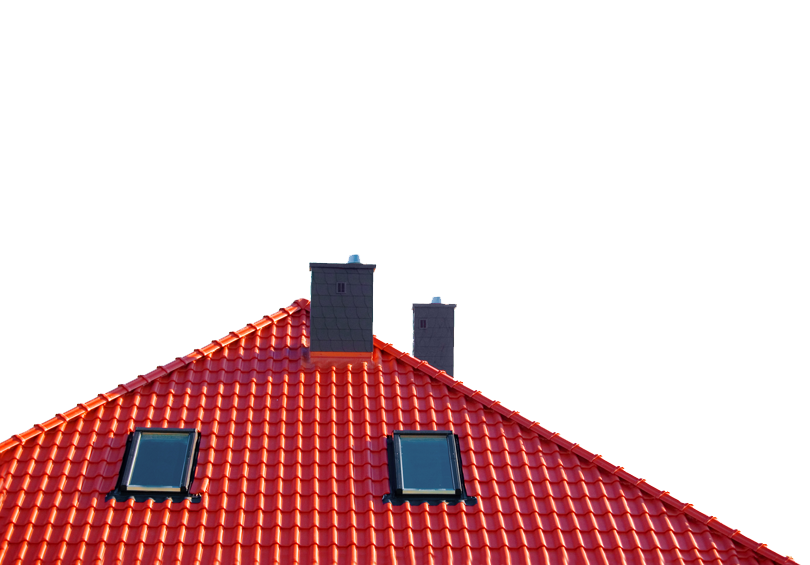

A leaking roof can damage ceilings, wall linings, insulation, roof timbers and electrical systems. Even a small leak can cause mould, peeling paint and costly structural repairs when water remains trapped inside the roof cavity. Identifying the roof leaking reasons helps you arrange the correct repair before moisture spreads through your property.
Roof leaks affect tiled, metal, Colorbond and corrugated iron roofs. Some problems are visible, such as cracked tiles or rusted sheets, while others develop around flashings, roof penetrations and drainage points.
9 Common Causes of Roof Leaks
The causes of roof leaks usually involve damaged roof materials, failed joints or poor water drainage.
1. Cracked, Broken or Displaced Roof Tiles
Cracked, broken or displaced tiles create gaps in the roof covering and expose the underlay to rain. Water can then pass beneath the affected area and reach the roof cavity.
A single damaged tile may cause a local leak, but several displaced tiles can expose a wider section. Arrange a roof inspection after severe weather and replace damaged tiles with compatible materials. Avoid walking across tiled roofs because incorrect foot placement can break otherwise sound tiles.
2. Damaged or Incorrectly Installed Flashings
Flashings seal roof junctions around chimneys, walls, skylights, vents, ridges and changes in roof direction. Damaged, loose, short or poorly fitted flashings allow rainwater to enter at these vulnerable junctions. Sealant failure, building movement and corrosion can weaken the seal over time.
Water may travel behind a flashing before it appears on an internal ceiling, so the visible stain may sit away from the actual fault. A roofer should check the flashing overlap, upstands, fixings and adjoining roof materials.
3. Loose or Worn Roofing Screws
Metal roof sheets rely on correctly fitted roofing screws and rubber washers to keep water out. Loose, overdriven, misaligned or corroded screws can break the seal and create direct entry points.
Sun exposure can make rubber washers brittle or cracked. Do not overtighten replacement screws because excessive pressure can damage the washer and sheet.
4. Failed Sealant Around Roof Penetrations
Roof penetrations include plumbing vents, skylights, exhaust fans, antennas and air conditioning units. Each opening needs suitable flashing and weatherproof seals. Cracked, missing or incompatible sealant around a penetration can let water pass beneath the roof covering.
Poor installation creates further risks when flashings are too short, sheet ribs are not accommodated or laps face the wrong direction. Water can then enter during heavy or wind-driven rain.
5. Blocked Gutters, Downpipes and Roof Valleys
Gutters, downpipes and valleys must carry rainwater away from the roof. Leaves, dirt, branches and other debris can block the drainage path. When water cannot flow freely, water levels rise and may overflow beneath roof edges or through vulnerable joints.
Box gutters need particular attention because they sit within the roof structure. A blocked outlet, leaking joint, rusted sump or missing overflow can direct water into the building. Clear drainage channels regularly and ask a roofer to assess damaged gutters, valley trays and downpipe connections.
6. Rust and Corrosion on Metal Roofs
Metal roof leaks can start when the protective coating on a sheet becomes damaged. Scratches, exposed cut edges, incompatible metals, trapped debris and prolonged contact with moisture can cause corrosion. Rust may first appear as surface staining before it creates holes through the sheet.
Metal filings left after drilling or cutting can rust on a Colorbond roof and damage the surrounding coating. Remove debris with suitable methods and address surface corrosion early.
7. Ridge Cap and Roof Bedding Failure
Ridge caps protect the highest junctions of tiled roofs. Cracked bedding, loose caps and deteriorated pointing can create gaps that allow rainwater beneath the ridge. Blocked weep holes can trap water and contribute to leakage around the roof peak.
A roof professional can assess the ridge caps, bedding and pointing to determine whether repairs or rebedding are necessary. Flexible pointing may need replacement when cracks or separation appear.
8. Storm, Hail and Foot Traffic Damage
Strong winds can lift flashings, dislodge tiles and loosen metal sheets. Hail may crack skylights or damage older roofing materials, while falling branches can puncture sheets and break tiles.
Inspect the roof from a safe position after severe weather. A qualified roofer can identify whether the damage needs a local repair or broader restoration.
9. Condensation Inside the Roof Cavity
Water beneath a roof does not always come from rainfall. Condensation develops when warm, moist indoor air contacts a cold roof surface and changes into water droplets. The droplets can collect on metal sheets, insulation or other surfaces before they drip onto the ceiling.
Condensation often appears during cold mornings or periods of high indoor humidity, even when no rain has fallen. A professional can distinguish condensation from water infiltration and recommend suitable ventilation or insulation changes.
Signs Your Roof May Be Leaking
Internal signs can appear before you notice a visible defect on the roof. Check ceilings, walls and accessible roof spaces for:
- Brown or yellow water stains on ceilings.
- Damp plaster, bubbling paint or peeling wall finishes.
- Musty smells that become stronger after rain.
- Wet or compressed ceiling insulation.
- Drips near lights, exhaust fans or cornices.
- Visible rust, damaged tiles or lifted roof components from the ground.
Water can travel along rafters, battens and ceiling materials, so the stain may not sit directly below the entry point. Treat recurring damp patches as evidence that the roof needs a proper inspection.
What Should You Do When Your Roof Leaks?
Act quickly to limit internal damage, but do not climb onto a wet or damaged roof. Place a bucket beneath active drips, move furniture and electronics away from the affected area, and protect floors with towels or plastic sheeting. Take clear photographs of stains, damaged belongings and visible water entry for your records.
If water reaches a light fitting, switch off the affected circuit at the electrical board only when you can do so safely. Keep away from wet electrical fittings and arrange an electrician’s assessment. Contact a qualified roofing professional to locate the source and recommend a lasting repair.
How to Prevent Common Roof Problems
Regular roof inspections help identify small faults before water reaches the interior.
Keep gutters, downpipes and valleys clear of leaves and debris. Check visible roof areas for displaced tiles, rust, damaged flashings and loose ridge caps.
Do not rely on surface sealant as a permanent fix. The correct repair depends on the roof material, pitch, drainage design and location of the fault.
When Do You Need Professional Roof Repairs?
Arrange professional help when a leak returns after a temporary patch, stains spread across the ceiling, roof materials are visibly damaged or water enters during ordinary rainfall. Prompt attention is particularly important when moisture reaches insulation, timber or electrical components.
A roof inspection should assess the likely entry point as well as nearby flashings, penetrations, valleys, fasteners and drainage outlets. Ask for a clear explanation of the fault, the proposed work and any materials that need replacement.
Arrange Roof Restoration in Adelaide
If your roof has widespread wear, deteriorated coatings, loose ridge caps or several recurring faults, a targeted restoration assessment can help establish the best next step. C.M Roof Restorations provides roof restoration Adelaide services for property owners who need an assessment of their roof’s condition and suitable restoration options.
Get Help With Roof Repair Work
A localised leak may need a specific repair rather than a complete restoration. If damaged tiles, failed flashings, loose roof components or leaking junctions affect your property, review our roof repairing services to understand the available support and arrange an assessment.
Frequently Asked Questions
What is the most common cause of roof leaks?
Damaged roof materials and failed flashings are among the most common causes of roof leaks. Cracked tiles, loose metal sheets, deteriorated seals and blocked drainage points can all admit water. A roof inspection identifies the actual fault and prevents unsuitable repairs.
When to worry about a roof leak?
Worry about a roof leak as soon as water stains spread, ceilings sag, mould appears or water reaches electrical fittings. Active dripping, repeated leaks and wet insulation need prompt professional attention. Keep clear of affected electrical areas and arrange a safe inspection.
Why does my roof leak sometimes and not others?
A roof may leak only during heavy rain, strong winds or particular wind directions. Rain intensity, roof pitch, blocked valleys and small gaps around flashings affect water entry. A controlled professional inspection can help reproduce the conditions and locate the fault.
How much will it cost to repair a leaking roof?
Roof leak repair costs depend on the cause, roof access, materials and extent of damage. Replacing one tile usually costs less than repairing extensive flashing, rusted sheets or box gutters. Request an on-site assessment and written quote before approving work.
Why is my roof leaking even though it’s not raining?
Your roof may drip without rain because of condensation inside the roof cavity. Warm indoor air can meet cold roof sheets and form moisture that later falls onto the ceiling. Poor ventilation, inadequate insulation or plumbing leaks may require separate checks.
Where is a roof most likely to leak?
Roofs most often leak at joints, penetrations and drainage areas. Check around chimneys, skylights, vents, wall junctions, ridge caps, valleys and gutters. These locations rely on flashings, seals or clear water pathways, so defects can allow moisture into the roof cavity.