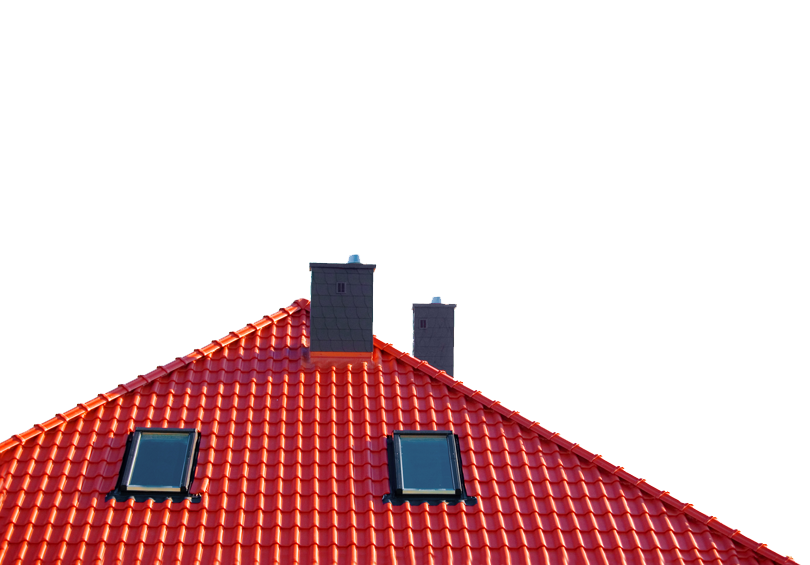

A roof lasts longer when you control preventable damage, maintain drainage, protect vulnerable areas, and repair defects before moisture reaches the roof structure. The most effective approach combines routine roof maintenance, regular inspections, controlled cleaning, adequate ventilation, prompt roof repair, and professional assessment when damage exceeds safe DIY work.
Your roof faces ultraviolet (UV) exposure, rain, wind, temperature changes, debris, moisture, and biological growth throughout the year. These conditions gradually affect tiles, metal sheets, shingles, flashing, sealants, gutters, and supporting components. Maintenance cannot stop normal ageing, but consistent care can reduce avoidable deterioration and delay premature replacement.
1. Inspect Your Roof Regularly
To extend the life of your roof, inspect the roof at least once a year and arrange professional inspections more often for older or heavily exposed roofs. A roof inspection should assess the surface, drainage, penetrations, flashing, roof plumbing, and visible signs of moisture or structural deterioration.
Check for cracked, broken, loose, slipped, or missing tiles and shingles. Examine metal roofing for corrosion, damaged coatings, loose fasteners, lifted sheets, and failed seals. Inspect flashing around chimneys, vents, skylights, walls, and other penetrations because these junctions can become leak points before widespread surface damage appears.
Inspect ceilings and roof spaces for water stains, damp insulation, mould, or timber deterioration. A small internal mark can indicate a roof defect that requires investigation rather than cosmetic treatment.
Do not rely only on ground-level viewing for a detailed assessment. Roof surfaces can contain defects that remain hidden from the ground, while walking across fragile tiles can create additional damage. Use a qualified professional for roof access, detailed assessment, and repairs that require specialist equipment or safety controls.
2. Keep Gutters and Downpipes Clear
Regular gutter cleaning protects the roof by maintaining reliable drainage. Leaves, twigs, dirt, and other debris can restrict gutters and downpipes, allowing water to back up around roof edges, valleys, and junctions.
Clean gutters at least twice a year and inspect the system after major storms or periods of heavy leaf fall. Remove accumulated debris, check outlets, and confirm that downpipes discharge water effectively away from the building.
Pay particular attention to valley gutters because valleys collect substantial roof runoff. Debris that remains in a valley can hold moisture against roofing materials and restrict water movement. Persistent moisture can contribute to corrosion, staining, biological growth, and leaks.
If regular gutter cleaning is difficult because of roof height, access, or safety concerns, arrange a professional roof cleaning service rather than taking unnecessary risks.
3. Remove Debris and Control Vegetation
To protect roofing materials, remove leaves, branches, dirt, and other debris before it retains moisture or blocks drainage. Overhanging branches deserve attention because branches can scrape roof surfaces, drop heavy material, and provide pathways for leaves to accumulate.
Trim vegetation so branches remain clear of the roof while maintaining appropriate property and local safety requirements. Remove debris with methods suitable for the roofing material. Avoid aggressive tools that can scratch coatings, dislodge tiles, or damage protective surface layers.
Moss and algae require careful treatment. Growth can indicate prolonged moisture retention and can hold water against porous or weathered surfaces. Use a roof-safe cleaning method suited to the roofing material. Avoid high-pressure washing on surfaces that can suffer coating, granule, seal, or tile damage.
Cleaning should remove the cause of moisture retention where possible, not simply improve appearance. Poor drainage, shade, blocked gutters, and persistent dampness should receive attention alongside surface cleaning.
4. Repair Small Roof Damage Quickly
To prevent minor defects from becoming major roof damage, arrange roof repair as soon as a defect is identified. Cracked tiles, displaced tiles, loose sheets, damaged flashing, failed sealants, and small leaks can expose underlying materials to repeated moisture.
Water entering through a small opening can affect insulation, timber, ceilings, electrical components, and other building elements. Replacing one damaged tile or repairing a failed flashing detail can therefore prevent a much larger repair.
Check the roof after severe wind, hail, falling branches, or unusually heavy rain. Strong weather can loosen components without creating an obvious interior leak immediately. Early inspection helps identify defects while repairs remain localised.
Do not apply a surface patch without identifying the source of a leak. Water can travel beneath roofing materials before appearing inside the building, so the visible stain may not sit directly below the entry point.
5. Maintain Roof Flashing and Penetrations
To extend roof lifespan, keep flashing and penetration points in sound condition. Flashing directs water away from vulnerable junctions around chimneys, vents, skylights, walls, and other roof openings.
Inspect flashing for corrosion, lifting, cracking, separation, damaged joints, and failed sealant. Check rubber boots and other flexible components because some materials deteriorate faster than the main roof covering under UV exposure and temperature changes.
Professional assessment becomes important when flashing connects multiple building surfaces or requires removal and reinstatement of roofing materials. Incorrect repairs can redirect water into the roof structure rather than stopping moisture entry.
6. Improve Roof Space Ventilation
To protect the roof from heat and moisture below, maintain adequate roof-space ventilation. Poor ventilation can trap hot air and moisture, increasing stress on roofing components and supporting materials.
A properly designed ventilation system needs effective air movement rather than a single exhaust point. Intake openings and exhaust vents must work together, while insulation should not block intended airflow paths.
Check ventilation when the roof space becomes excessively hot, condensation appears, insulation becomes damp, or timber shows signs of moisture damage. A roofing professional can assess existing ventilation and determine whether additional intake or exhaust capacity is appropriate.
Ventilation does not replace insulation, waterproofing, or repairs. Each component addresses a different roof performance requirement, so the roof system should receive a complete assessment when temperature or moisture problems persist.
7. Protect Roofing Materials From Preventable Wear
To extend roof lifespan, use maintenance methods that match the roofing materials installed on your property. Clay tiles, concrete tiles, metal roofing, and asphalt shingles respond differently to cleaning, coatings, foot traffic, chemicals, and repairs.
Avoid unnecessary foot traffic on tiles and other fragile surfaces. Concentrated loads can crack tiles or disturb roofing components. Use suitable access equipment and professional procedures when roof access is required.
For metal roofing, monitor surface corrosion, coating deterioration, fasteners, laps, and sealants. Address corrosion early and use compatible repair or coating systems recommended for the specific metal and existing finish.
For tiled roofs, replace broken or displaced tiles and inspect bedding, pointing, valleys, and flashing where applicable. A damaged tile can expose underlay and roof structure to water.
For asphalt shingles, monitor loose tabs, curling, cracking, missing shingles, and granule loss. Granules provide surface protection, so significant loss can indicate advancing material deterioration.
8. Consider Roof Coatings or Rejuvenation Carefully
Roof coatings can extend service life in suitable circumstances, but a coating cannot correct structural defects or replace severely deteriorated roofing materials. A professional assessment should determine whether cleaning, repair, coating, rejuvenation, or replacement fits the roof condition.
Protective coatings may reduce exposure to UV radiation and water, while some reflective products can alter heat absorption. Product compatibility, preparation, adhesion, drainage, existing damage, and manufacturer requirements all affect performance.
Rejuvenation treatments are mainly relevant to specific roofing materials and stages of ageing. Some systems aim to restore properties such as flexibility in ageing asphalt shingles, but suitability depends on the condition and product specifications.
Do not treat coating as a universal solution. A roof with widespread leaks, structural deterioration, severely damaged coverings, or failed substrates may require substantial repair or replacement instead.
9. Schedule Professional Roof Maintenance
To maintain a roof over the long term, combine homeowner checks with professional roof maintenance. Professional inspections can identify defects that are difficult to evaluate safely or accurately from ground level.
A professional assessment should consider roofing materials, drainage, flashing, penetrations, ventilation, roof plumbing, visible moisture damage, and previous repairs. The inspection findings can then support a practical maintenance plan rather than unnecessary work.
Professional help becomes particularly important after severe weather, before major roof alterations, when leaks persist, or when widespread moss, algae, corrosion, cracking, or displacement appears.
When choosing roofing contractors in Adelaide, check relevant experience, licensing requirements, insurance, workmanship terms, references, and the scope of each quotation. A clear quotation should distinguish inspection, cleaning, repairs, restoration, coating, and replacement where applicable.
10. Follow a Seasonal Maintenance Plan
To reduce avoidable roof deterioration, schedule maintenance around seasonal weather patterns. In spring, inspect for storm damage, clear debris, clean gutters, and check flashing and drainage. Before summer, assess ventilation and surface condition because prolonged heat and UV exposure can accelerate material ageing.
Before periods of heavy rain, confirm that gutters, downpipes, valleys, and drainage paths remain clear. After major storms, inspect for displaced tiles, loose metal sheets, damaged flashing, fallen branches, and new water entry.
A written maintenance record can help you track inspection dates, repairs, cleaning, coatings, recurring leaks, and material condition. Records make it easier to identify recurring defects and plan larger work before emergency conditions develop.
11. Know When Maintenance Is No Longer Enough
Maintenance extends useful service life when the underlying roof system remains suitable for continued service. Maintenance cannot reverse advanced structural failure, widespread material deterioration, extensive water damage, or a roof that has reached the practical end of its service life.
Replacement decisions should consider the extent of damage, remaining material condition, repair frequency, installation quality, drainage performance, and expected future maintenance. A professional inspection can separate repairable defects from conditions that require broader work.
Avoid delaying necessary replacement simply because individual repairs remain possible. Repeated local repairs can become inefficient when deterioration affects large areas or when the roof structure no longer provides reliable protection.
12. Use a Practical Roof Maintenance Checklist
To keep roof care consistent, create a schedule with specific tasks and intervals. Record inspection dates, defects, repairs, gutter cleaning, roof cleaning, and professional assessments. A clear record helps identify recurring problems.
A practical checklist should include:
- Inspect tiles, shingles, metal sheets, flashing, seals, and roof plumbing.
- Clear gutters, downpipes, valleys, and surface debris.
- Check roof spaces for dampness, condensation, mould, and timber deterioration.
- Trim branches that contact or overhang the roof.
- Review repairs for renewed cracking or leakage.
- Arrange professional assessment after severe weather or when defects exceed safe DIY work early.
How Long Can Roof Maintenance Extend Roof Life?
Regular maintenance can add years to a roof’s useful service life, but no fixed extension applies to every roof. Material quality, installation, climate, ventilation, drainage, exposure, existing condition, and repair history determine the result. Timely maintenance mainly prevents avoidable deterioration and delays premature replacement.
Frequently Asked Questions
Does a 30 year roof really last 30 years?
No, a 30-year roof does not automatically last 30 years. A stated service life describes expected performance under defined conditions, while climate, installation quality, ventilation, maintenance, weather exposure, material quality, and repairs influence actual longevity. Some roofs require significant work earlier than their rated lifespan.
How expensive is it to extend a roof?
The cost depends on the roof’s condition and required maintenance. Inspection, gutter cleaning, minor repairs, restoration, coatings, and rejuvenation have different costs. Early repairs generally require less work than correcting widespread water damage or replacing a roof that has deteriorated extensively.
What can I spray on my roof to extend the life?
Use only a roof-safe treatment designed for your specific roofing material. Cleaning solutions can control moss or algae, while compatible coatings or rejuvenation products may protect suitable surfaces. A professional should confirm product compatibility and roof condition before chemical treatment or coating.
How long can regular roof maintenance extend the life of a roof?
Regular maintenance can extend useful roof life by several years, but the exact period depends on roof condition and materials. Prompt repairs, drainage control, cleaning, ventilation, and inspections reduce preventable deterioration and help preserve roofing components for longer.